
Jinsheng (Frank) Lai 「赖近昇」
I am a M.Eng. student in Civil Engineering at South China University of Technology, Guangzhou, China.
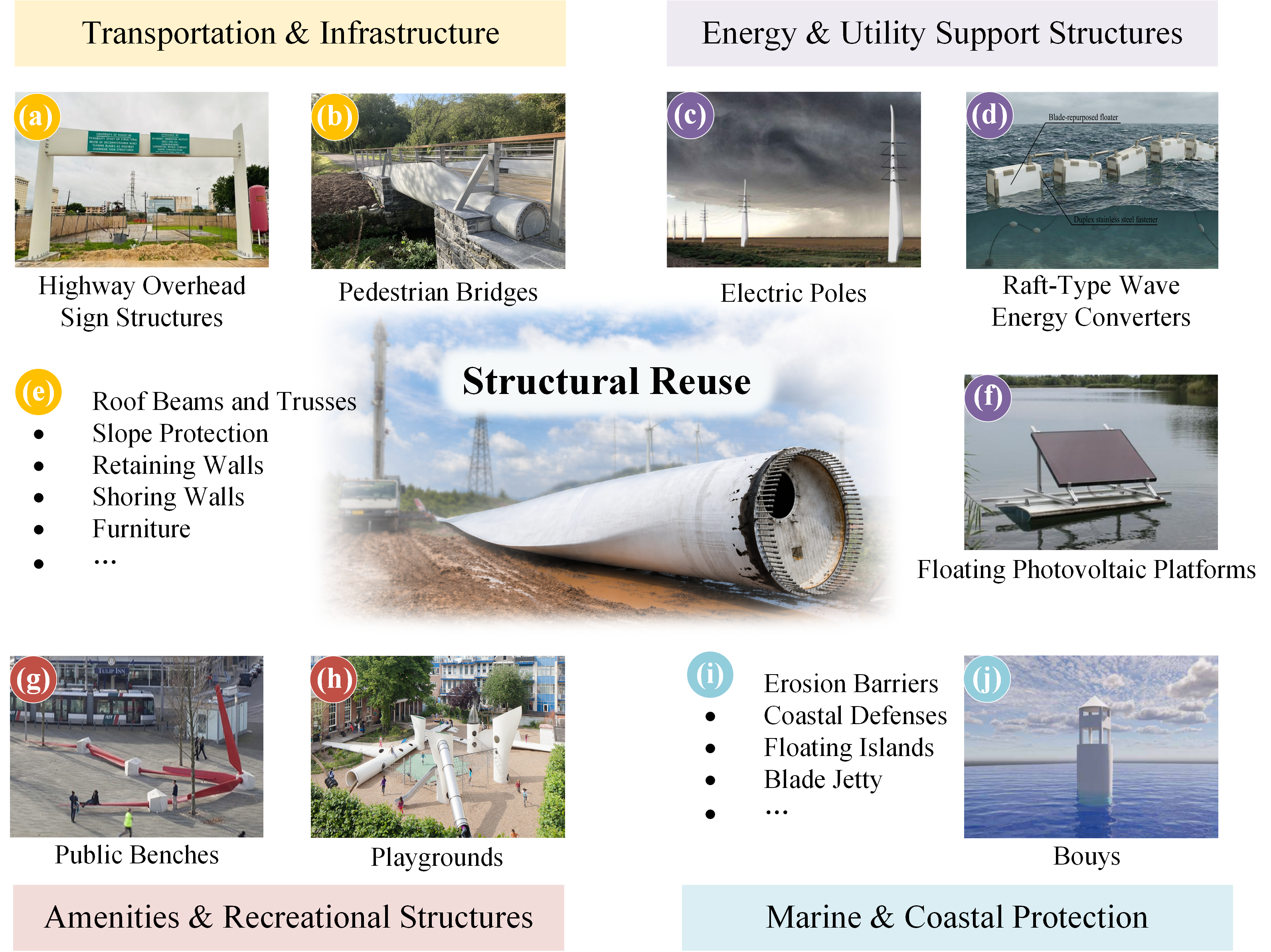
Research Interests: · Floating structures (floating offshore wind turbine platforms and wave energy converters) · Sustainable structural reuse (end-of-life composite structures) · Machine learning (application-oriented engineering use)
I am currently studying the fundamentals of computational mechanics, physics-informed neural networks (PINNs), and DeepONet.
I am seeking PhD positions for Fall 2027 intake.
Email: frankjslai@gmail.com
If my background and interests align with your group's research, I would be glad to hear from you—please feel free to reach out by email.
News
- [10/2026] My first-author paper, "Structural reuse of GFRP from decommissioned wind turbine blades: Mechanical behavior of HBB joints with duplex stainless steel", was published in Construction and Building Materials. DOI.
- [09/2026] My first-author paper, "Structural reuse of GFRP from decommissioned wind turbine blades: Mechanical behavior of HBB joints with duplex stainless steel", was accepted for publication in Construction and Building Materials. DOI.
- [07/2026] Completed the hydrodynamic analysis and load-transfer work for the P4 manuscript.
- [06/2026] Built an internal computing cluster for our research group and open-sourced the full setup workflow.
- [05/2026] My conference paper on deep reinforcement learning for offshore wind power operation and maintenance was accepted by ICEPET.
- [04/2026] Published a journal paper in Polymers on the performance of GFRP from decommissioned wind turbine blades for wave energy converters.
- [09/2024] Began M.Eng. study in Civil Engineering at South China University of Technology, advised by Yan-Wen Li. Admission with Entrance Exam Waived.
- [06/2024] Received Outstanding Graduate, Hainan University.
- [10/2023] Won First Prize in the National University Structural Design Information Technology Contest, China.
Education

South China University of Technology (Project 985), Guangzhou, China
M.Eng. in Civil Engineering, Sep. 2024-Expected Jun. 2027. GPA: 3.63/4.0. Admission with entrance exam waived.
M.Eng. in Civil Engineering, Sep. 2024-Expected Jun. 2027. GPA: 3.63/4.0. Admission with entrance exam waived.

Hainan University (Project 211), Haikou, China
B.Eng. in Civil Engineering, Sep. 2020-Jun. 2024. GPA: 3.61/4.0 (88.26/100).
B.Eng. in Civil Engineering, Sep. 2020-Jun. 2024. GPA: 3.61/4.0 (88.26/100).
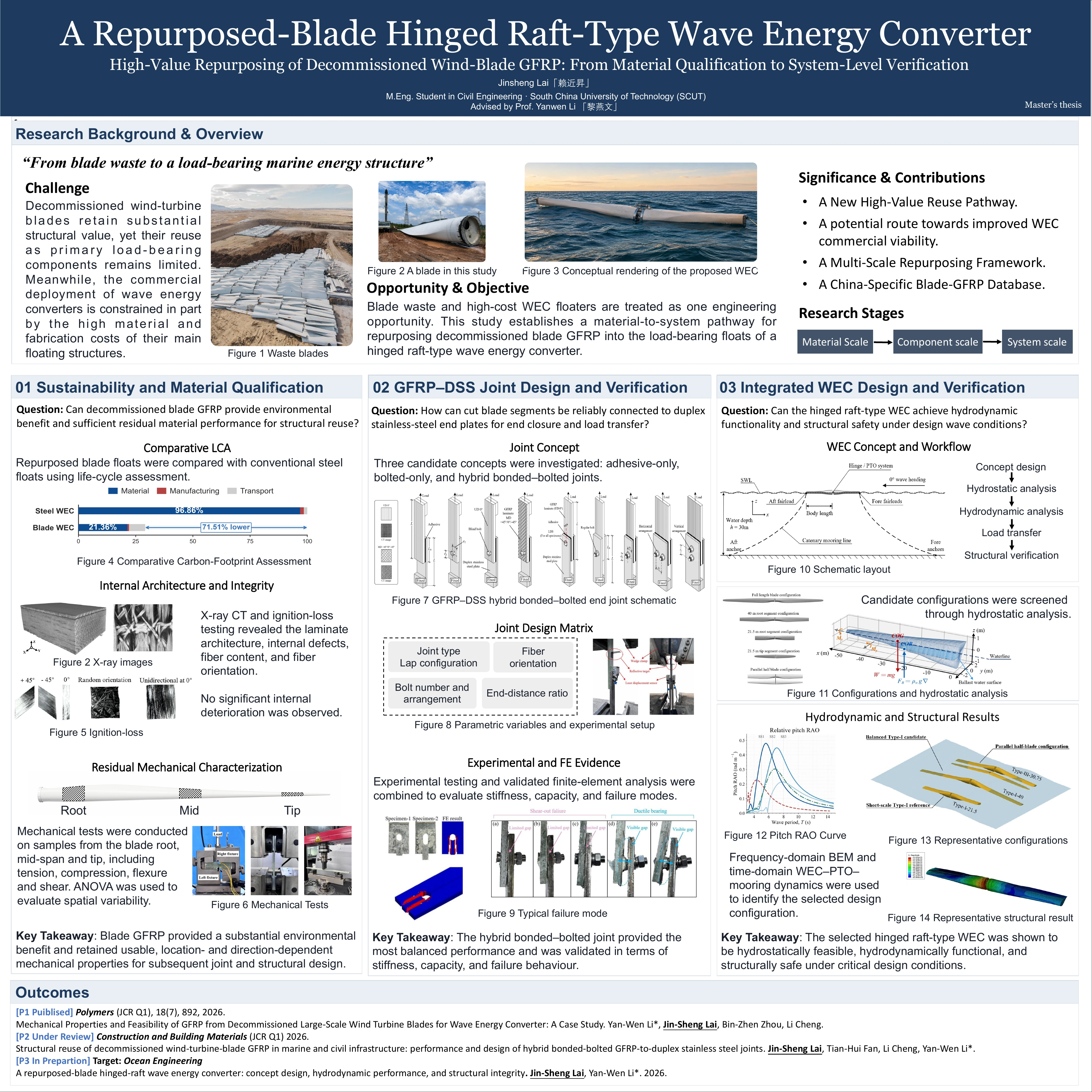
Academic Poster of My Master's Thesis
Publications
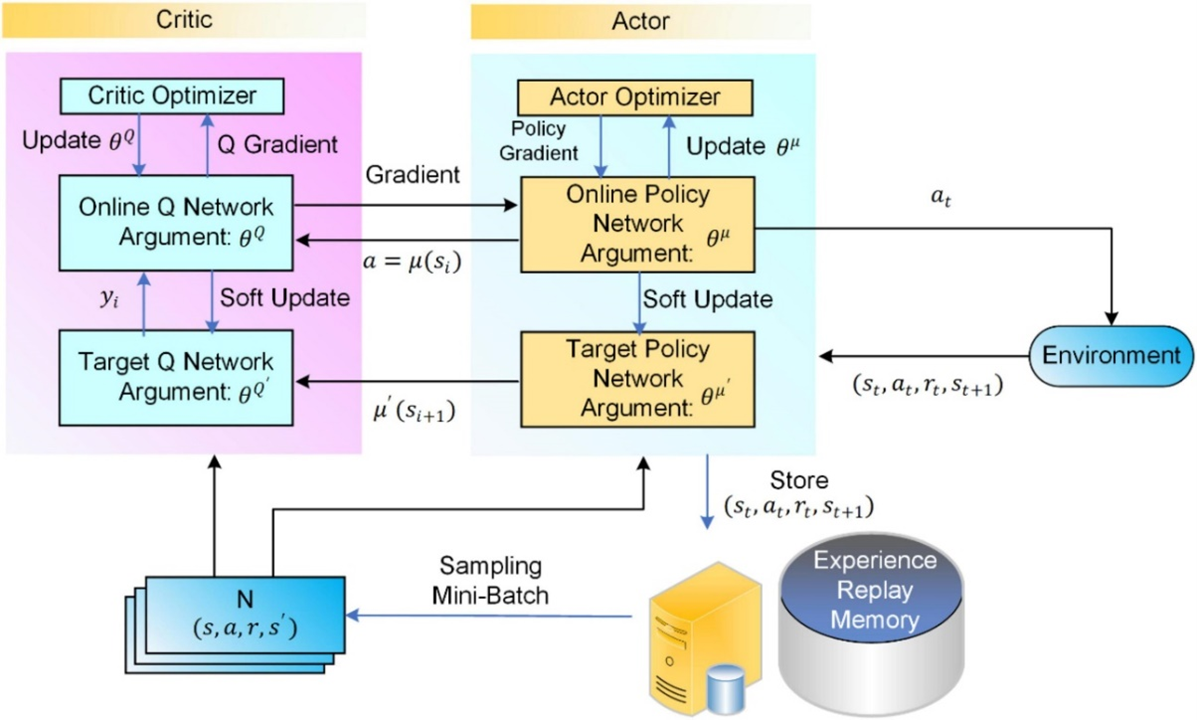
[P2] Applications of Deep Reinforcement Learning in Optimization of Offshore Wind Power Operation and Maintenance.
Jin-Sheng Lai*. ICEPET, Accepted, 2026.
PDF | DOI | Abstract | BibTeX
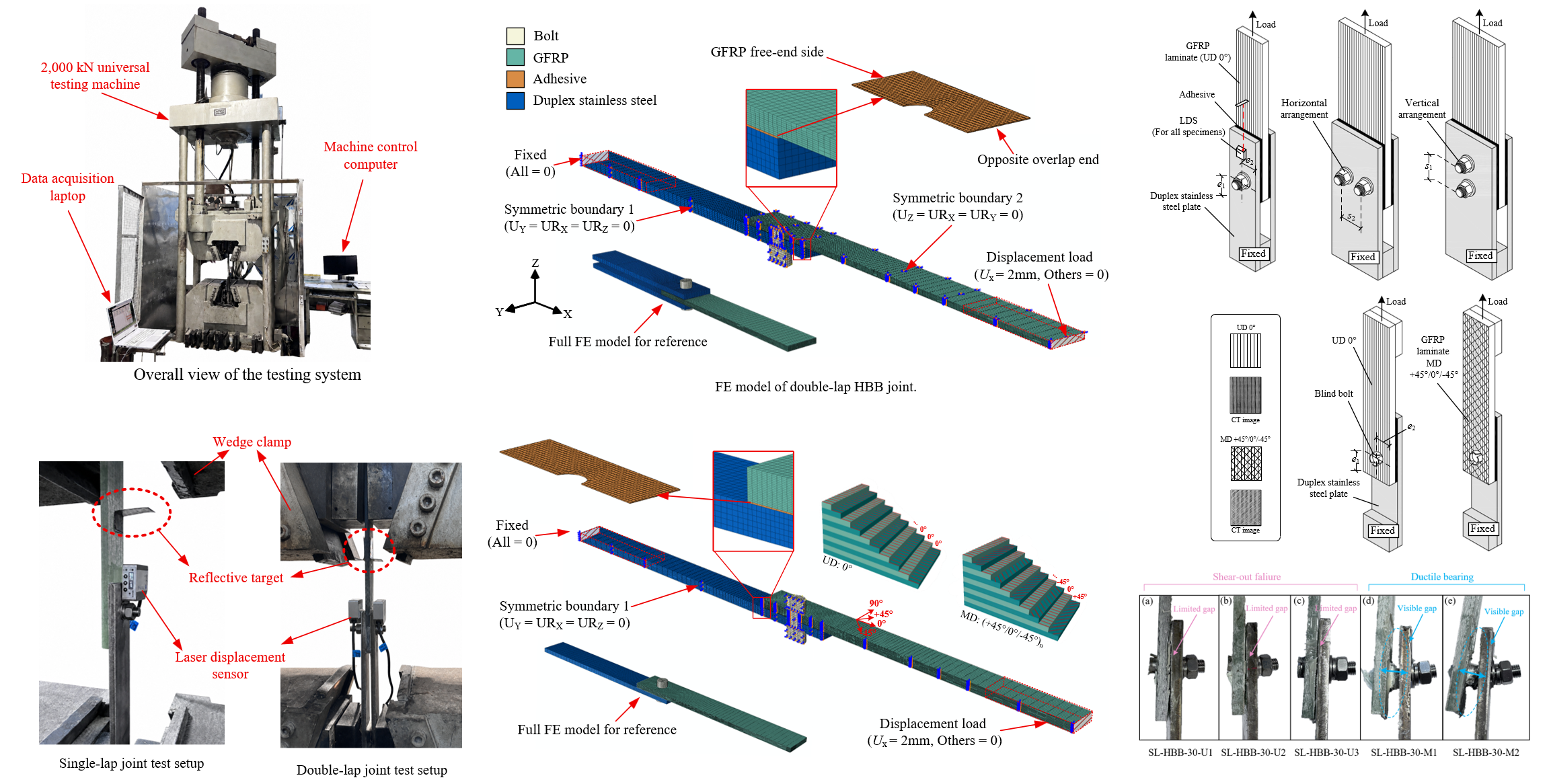
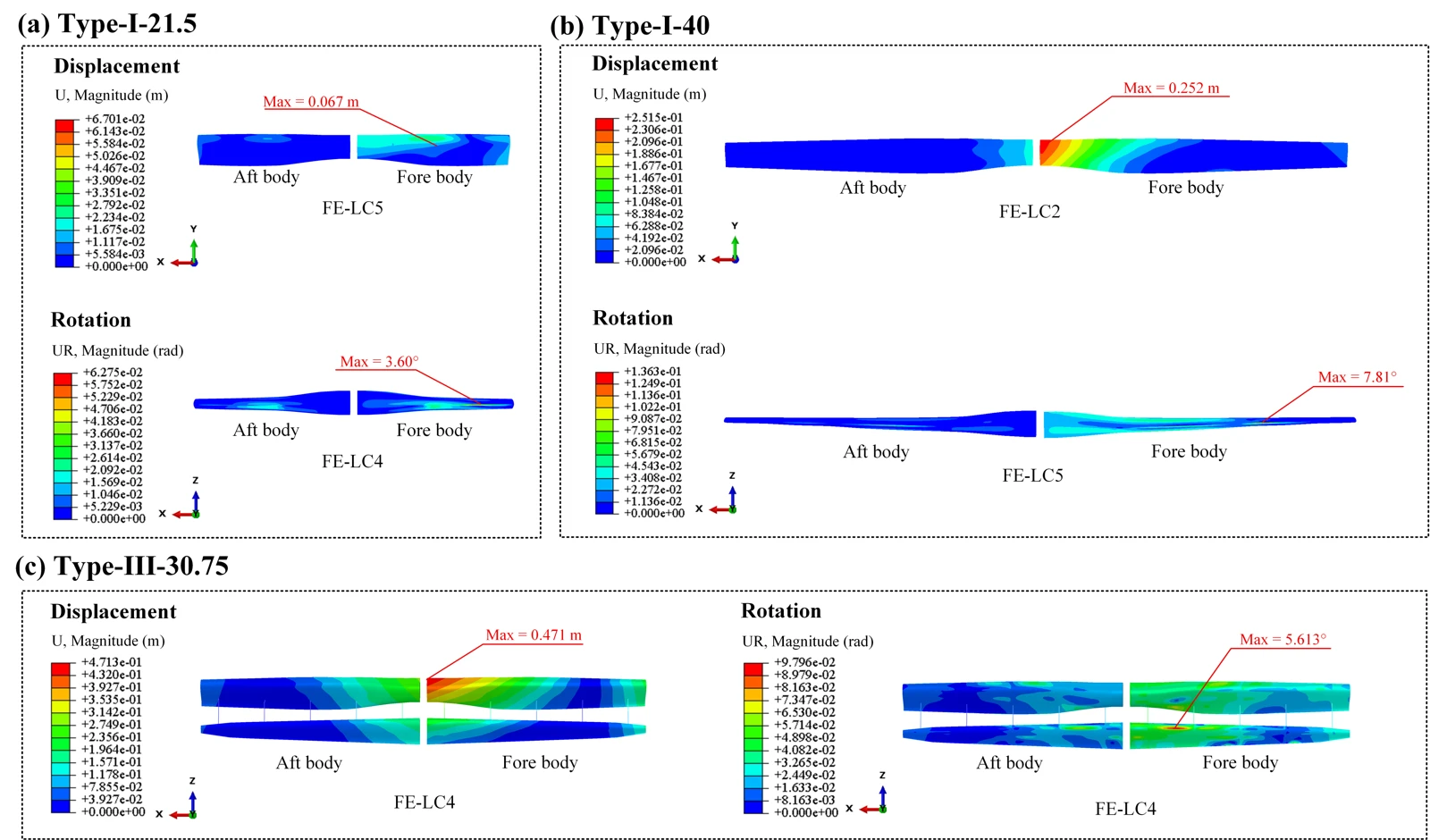
[P3] Structural reuse of GFRP from decommissioned wind turbine blades: Mechanical behavior of HBB joints with duplex stainless steel.
Jin-Sheng Lai, Tian-Hui Fan, Li Cheng, Yan-Wen Li*.
Construction and Building Materials (JCR Q1, IF 8.9 [2025]), Published, 544, 148359, 2026.
[P4] Energy Capture Performance and Structural Feasibility of a Repurposed-Blade Hinged Raft-Type Wave Energy Converter.
Jin-Sheng Lai, Binzhen Zhou, Yan-Wen Li*, Pan Zou.
Energy, Under Review, 2026.
PDF | DOI | Abstract | BibTeX
Manuscripts in Preparation
[M1] Structural Modeling and Optimization of a 15MW CS-UHPC Composite Semi-Submersible Floating Wind Turbine Platform.
[M2] Non-measurement points in three-dimensional surface measurement: positional persistence, quantity–spatial representation and parameter response.
[M3] Experimental validation of a hinged-raft wave energy converter based on repurposed segmented wind-turbine blades.
Research Experience
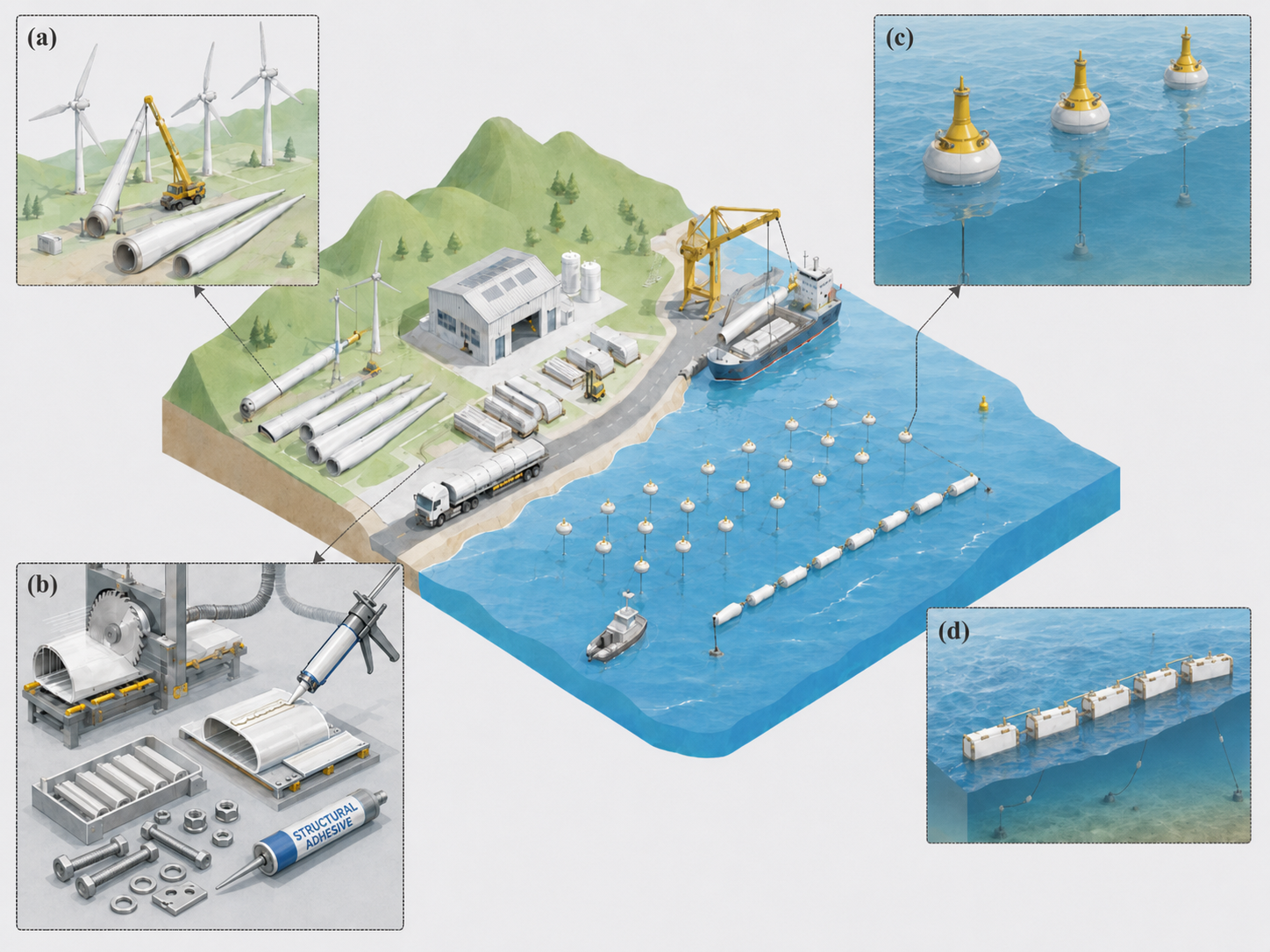
High-Value Repurposing of Decommissioned Wind Blade GFRP: Materials, Joints, and Marine Applications
- Executed mechanical characterization of 100+ repurposed-blade GFRP specimens and derived engineering design values via ANOVA and eigenvalue analysis; an LCA showed 71.5% lower carbon footprint and 37.4% lower structural mass than an all-steel wave energy converter.
- Proposed position-specific repurposing strategies based on tip/mid/root material property variations along the blade.
- Independently designed and tested hybrid bonded-bolted GFRP-duplex stainless steel lap joints; identified the adhesive layer as the governing failure mode with bolts providing redundancy; validated numerically using Abaqus FEA; manuscript accepted for publication in Construction and Building Materials.
- Established hydrostatic equilibria, robustly screened the Type-II minimum retained tip length, and projected BEM-derived hydrodynamic coefficients onto a 7-DOF hinged raft-type two-body model. Built a one-way coupled time-domain-to-FEA workflow incorporating nonlinear hydrostatics, quadratic drag, PTO and mooring loads, and transferred synchronized critical load states for structural assessment.
- Flume experiment (in progress) to validate the hinged raft-type two-body WEC model.
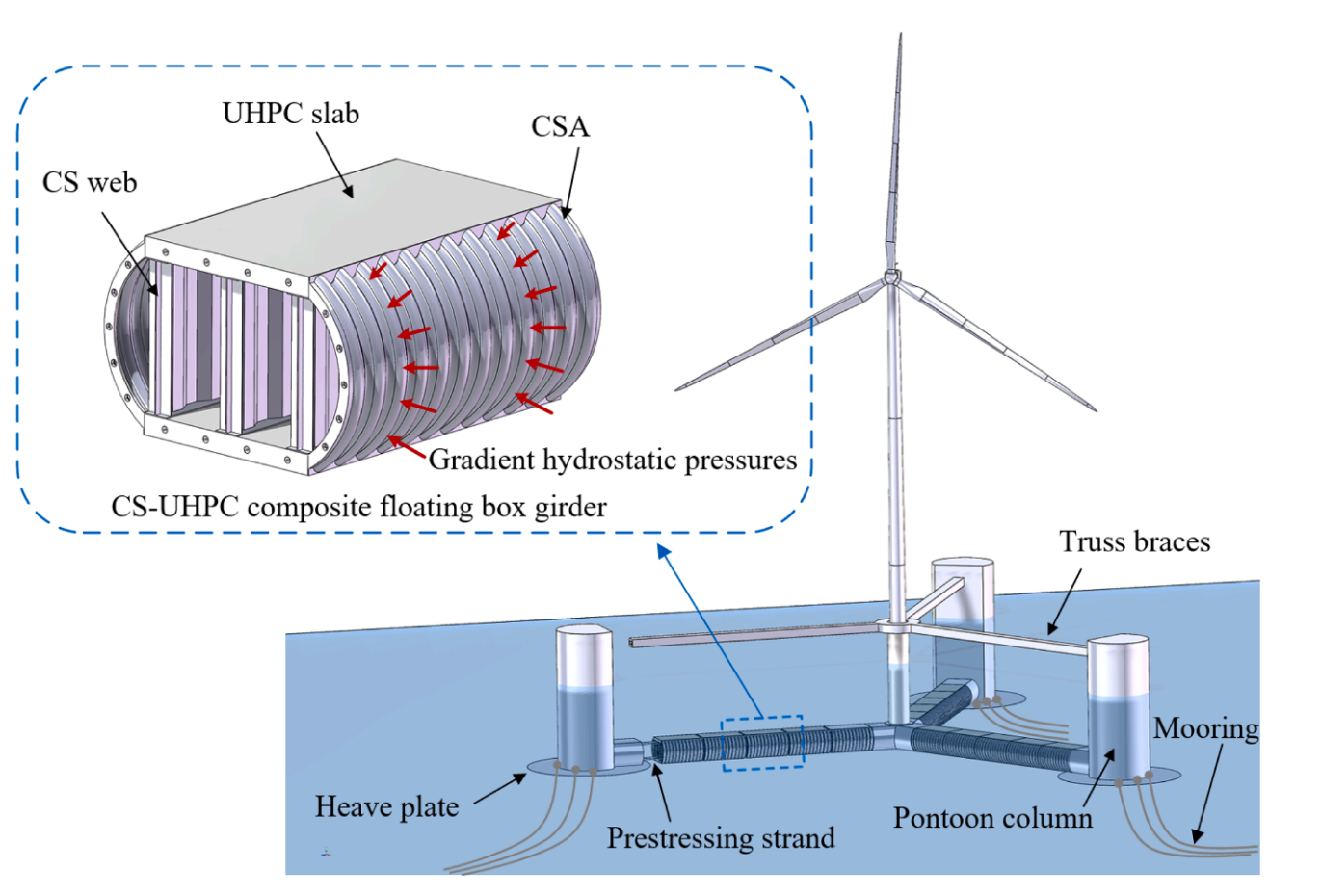
Structural Modeling and Optimization of a 15MW CS-UHPC Composite Semi-Submersible Floating Wind Turbine Platform
Responsible for the numerical modeling and computational analysis of a 15MW CS-UHPC composite semi-submersible platform. Establishing a time-domain fully coupled workflow in which OpenFAST provides aero-servo-elastic tower-base loads and ANSYS AQWA resolves platform hydrodynamics, motions, and mooring response, with platform kinematics and tower-base loads exchanged at each time step. The resulting tower-base forces and moments, fairlead tensions, platform motions, and distributed wet-surface hydrodynamic pressures are transferred to ANSYS Mechanical for finite-element stress, buckling, and structural optimization studies of the composite floating system.
OpenFAST, ANSYS AQWA, ANSYS Mechanical, Aero-Hydro-Servo-Elastic Coupling, Finite Element Analysis, Structural Optimization.
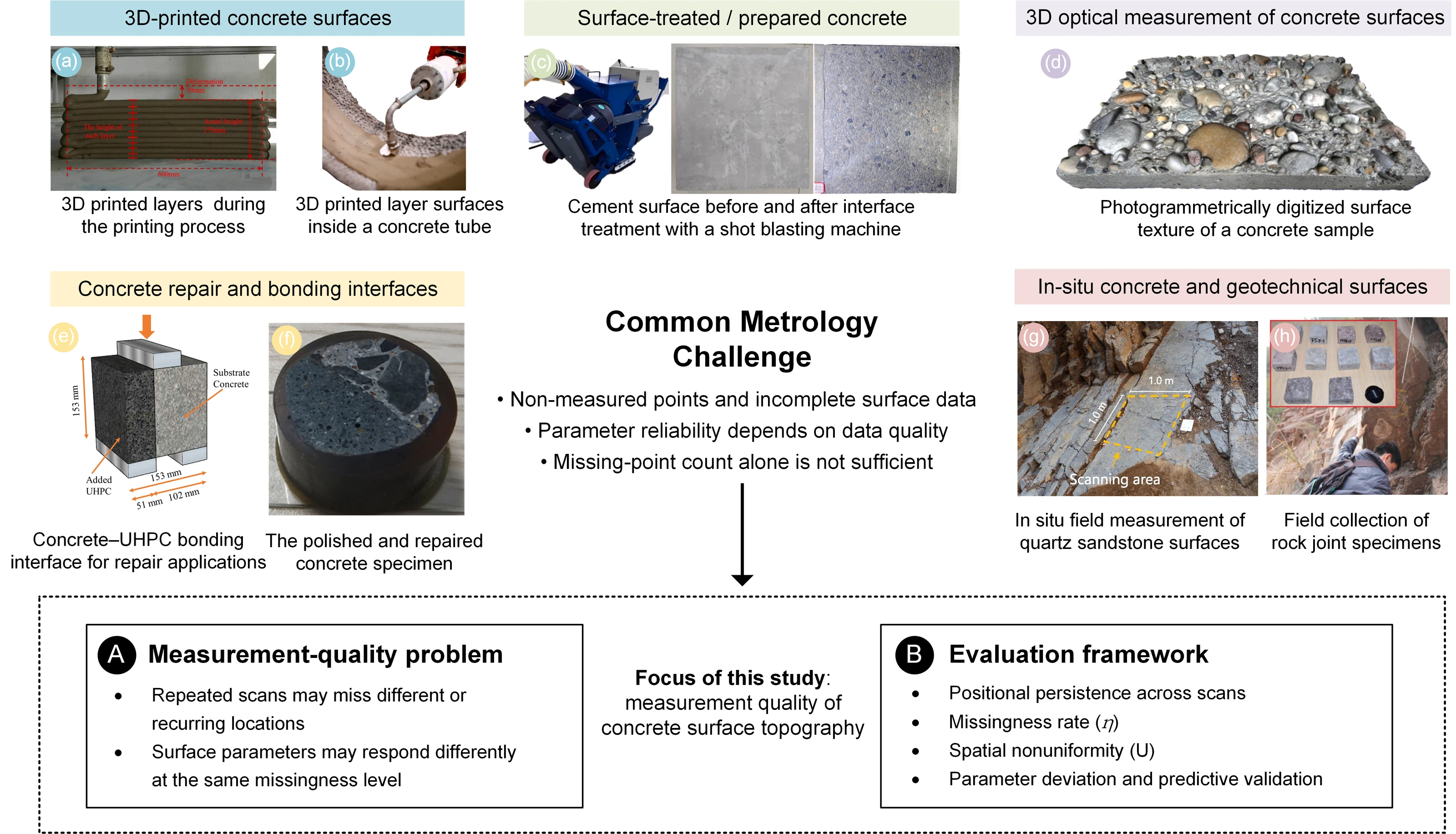
Non-Measurement Points in Three-Dimensional Surface Measurement: Positional Persistence, Quantity–Spatial Representation, and Parameter Response
Investigating data completeness and measurement reliability in three-dimensional concrete surface characterization. The project combines repeated 3D scanning, point-cloud preprocessing, and numerical analysis to examine missing observations and support the assessment of surface measurement data. Current work focuses on developing the analysis workflow and preparing manuscript [M2].
3D Scanning, Point-Cloud Processing, Numerical Analysis, Surface Metrology.
Modeling and Intelligent Operation and Maintenance of Offshore Wind Systems
Independently studied and implemented deep reinforcement learning from scratch, formulating offshore wind O&M as a Markov Decision Process with a hybrid state space (turbine health, environmental conditions, resource availability, and market signals) and a hybrid discrete-continuous action space. Trained and evaluated a DDPG agent on public and simulated data from a 20-turbine 5 MW offshore wind farm over a 3-year horizon: it outperformed DQN and PPO baselines in revenue, failure frequency, MTBF, and MTTR, and stayed robust under stressed conditions (wind-speed variance +20%, failure rate +15%). This work led to the ICEPET 2026 conference paper.
Python, PyTorch, DDPG, Markov decision process.

The specific model configuration is not publicly disclosed due to project confidentiality.
Environmental Sensitivity Analysis of a Floating Wind Turbine and Semi-submersible Foundation
Contributed to numerical modeling and environmental sensitivity analysis in ANSYS AQWA for a floating wind turbine and semi-submersible foundation. Assessed tower-base and tower-top motion responses across variations in wave height, wind speed, wave period, and wave-current incidence angle. The analysis identified wave height as the dominant driver of horizontal motion amplitudes, whereas wave period exerted a stronger influence on heave response.
ANSYS AQWA, Hydrodynamic Simulation, Environmental Sensitivity Analysis.
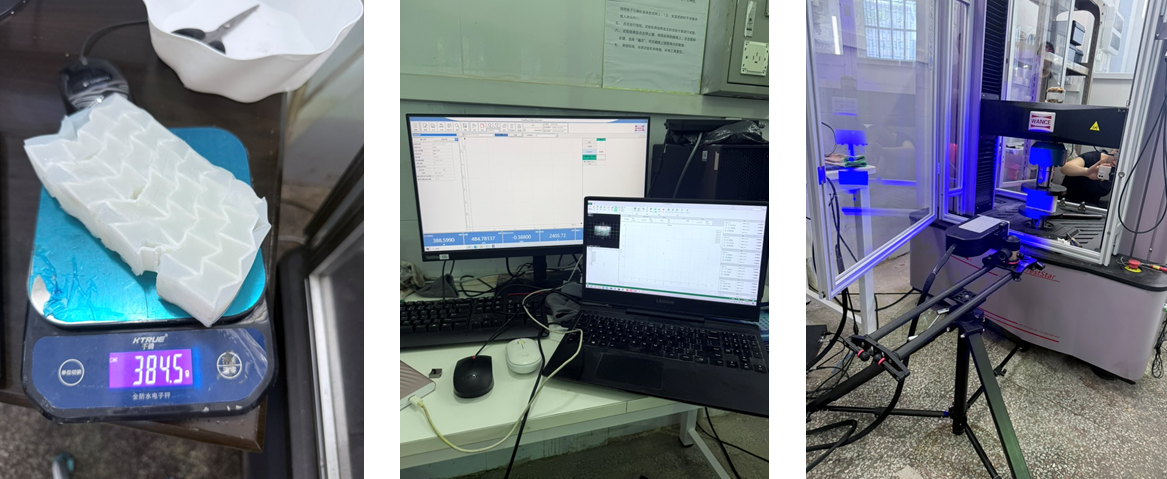
Compressive Response of 3D-Printed 2D Metamaterial Reinforced Composites with Diversified Geometries
Tested and evaluated the compressive behavior of 24 diverse 2D composite architectures, and proposed a comprehensive performance evaluation coefficient to screen for designs with superior specific energy absorption and specific strength.
3D Printing, Mechanical Testing.
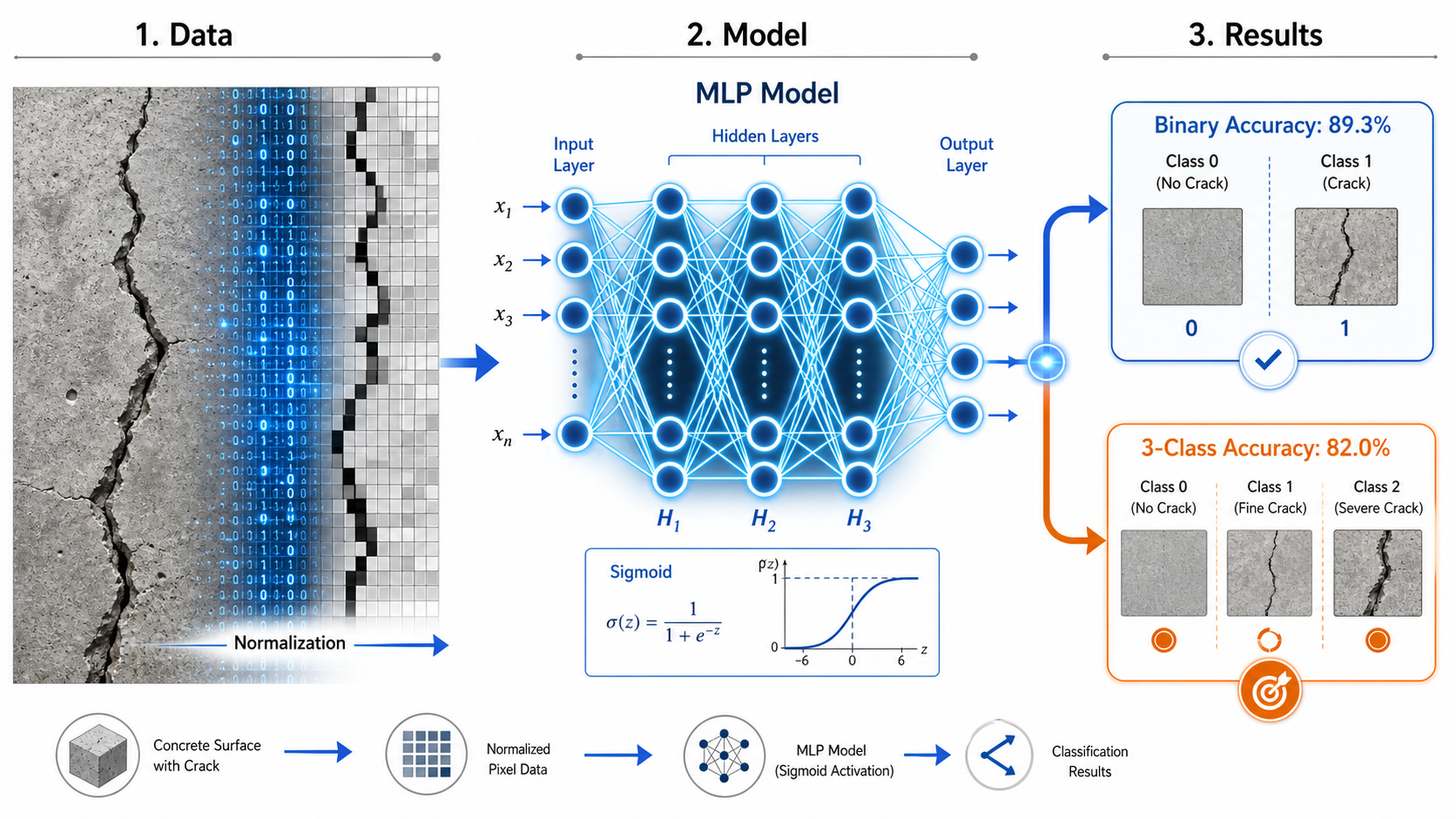
Crack Recognition Based on Backpropagation Neural Networks
Engineered a Multi-Layer Perceptron neural network with optimized activation functions and cross-entropy loss with backpropagation for automated Structural Health Monitoring.
Python, Neural Networks.
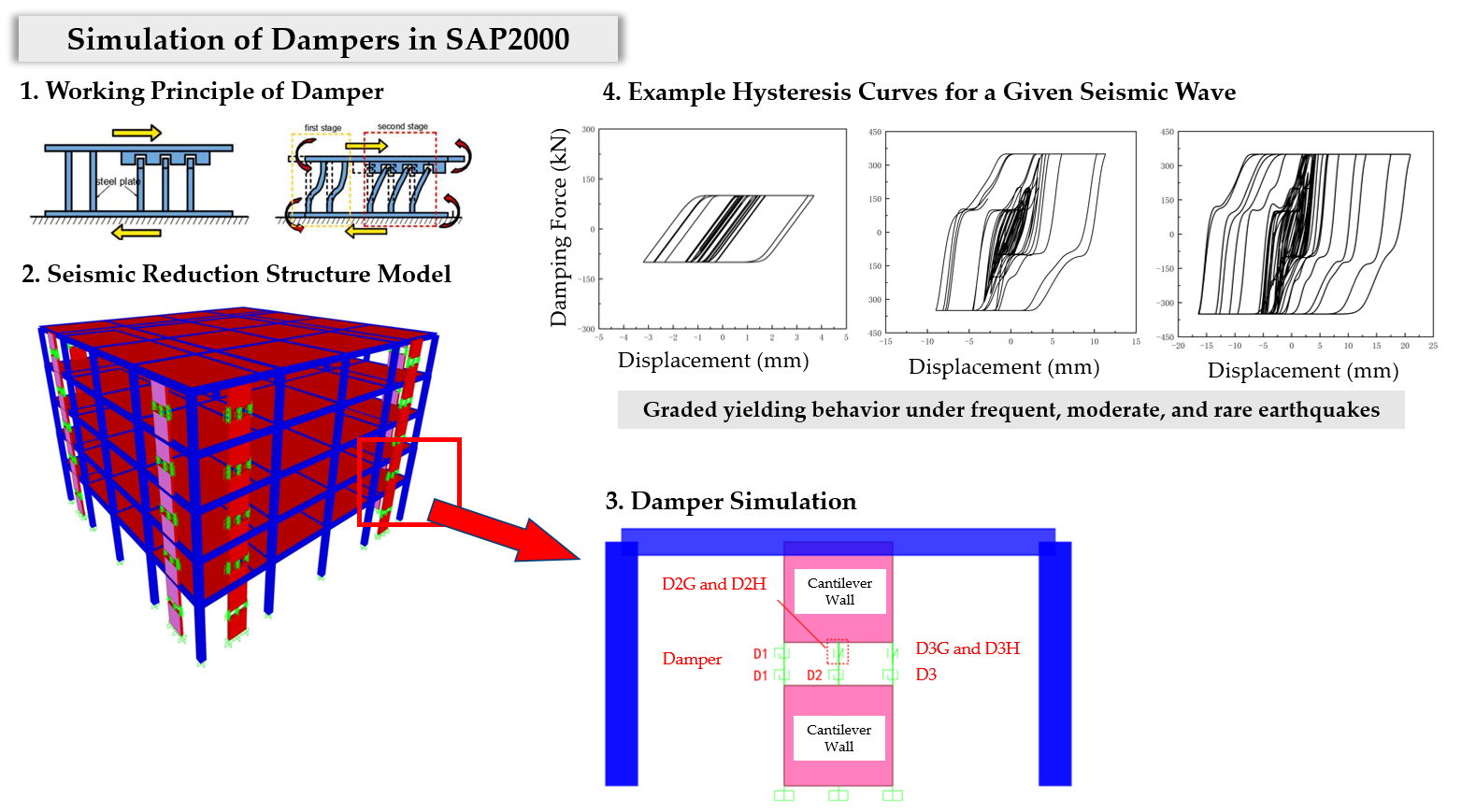
Vibration Damping Performance Analysis of Graded Yield Metal Dampers in a Steel Frame Structure
Investigated the energy dissipation mechanism of graded yield metal dampers in steel frame structures through modal decomposition response spectrum analysis and elastic time-history analysis across minor, moderate, and major earthquake scenarios.
SAP2000, Seismic Analysis.
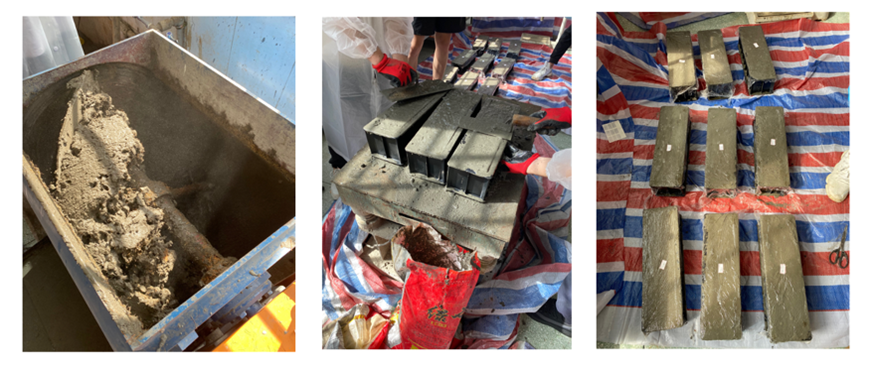
Flexural Property and Mechanism of Coir-FRP Seawater and Sea-Sand Concrete for Artificial Fish Reefs
Optimized coir-fiber-matrix compatibility through combined chemical modification, tested flexural strength, integrated a non-linear MATLAB prediction model, and used SEM analysis to study the fiber bridging toughening mechanism.
Lab Testing, MATLAB, SEM.
Skills
Programming: Python, MATLAB, Linux; AI-assisted engineering workflows (Claude Code, Codex).
Simulation: ABAQUS, ANSYS AQWA, OpenFAST, Sesam.
Languages: Chinese (native), English (IELTS 7.0 overall, Mar. 2026; Reading 7.0, Listening 7.0, Speaking 6.5, Writing 6.5).
Vibe Coding Projects



Honors & Awards
- Outstanding Graduate, Hainan University, 2024.
- First Prize, National University Structural Design Information Technology Contest, China, 2023.
- First-Class Comprehensive Scholarship, Hainan University, 2021 and 2022.
- Meritorious Student, Hainan University, 2021 and 2022.